Five Hotel Chains, One Week, and a $60 Travel Router: We Checked the Front Desk's WiFi at the Door
Hotel WiFi is a promise written in the lobby directory and rarely kept in room 412. So we did what we do: we packed a bag, booked five nights across five different US hotel chains, and brought our own hardware — a $60 pocket travel router — to see if it could outperform whatever the front desk calls 'premium high-speed internet.'
The rules were simple. Every night, we ran the same tests: a speed sweep at check-in, a mid-evening video call, a large file upload, and a multi-device reconnect the next morning. The travel router connected to the hotel network as a client, then broadcast its own private SSID inside the room. Same internet source, different delivery.
Night One: The Convention Hotel Downfall
Our first stop was a big-box convention hotel in Dallas, the kind with a ballroom and a Starbucks in the lobby. The hotel's own network clocked a respectable 140 Mbps down on our first test — then collapsed to 9 Mbps by 8 PM when every sales team in the building started streaming. Our video call pixelated into a slideshow.
The travel router couldn't create bandwidth out of thin air, but it did something the hotel network couldn't: it held a stable connection. Once paired, it never dropped our devices, and its 5 GHz link to the hotel's access point stayed locked while our laptops and phones bounced between the hotel's overlapping SSIDs. The call still stuttered during peak hours, but it never died. Small win, meaningful one.
Night Two: The Boutique Hotel Surprise
A renovated boutique property in Portland delivered the week's biggest shock. Their WiFi was genuinely good — 220 Mbps, low latency, barely a hiccup. Here, the travel router was a passenger, not a hero. Speeds through it measured within 8% of direct connection, which is honest overhead for the convenience.
This is the night that matters for the verdict: when the hotel network is actually well-run, your travel router adds nothing except a firewall layer and one less re-login. Know that going in.
The Device Handoff Problem Nobody Talks About
Here's where the travel router quietly earned its keep. Hotel networks almost always require a browser-based login portal, and half the smart devices travelers carry — a Nintendo Switch, an e-reader, a streaming stick — handle captive portals terribly. Some simply refuse.
By connecting the travel router once through the portal, every device behind it just... works. No re-authenticating your laptop, phone, tablet, and earbuds case individually. At two of the five hotels, this alone justified the purchase. Add the security angle — your devices sit behind the router's own NAT and WPA2 password instead of on a shared network with 200 strangers — and the value proposition sharpens for anyone handling work files on the road.
Night Four: The Dead Zone Gamble
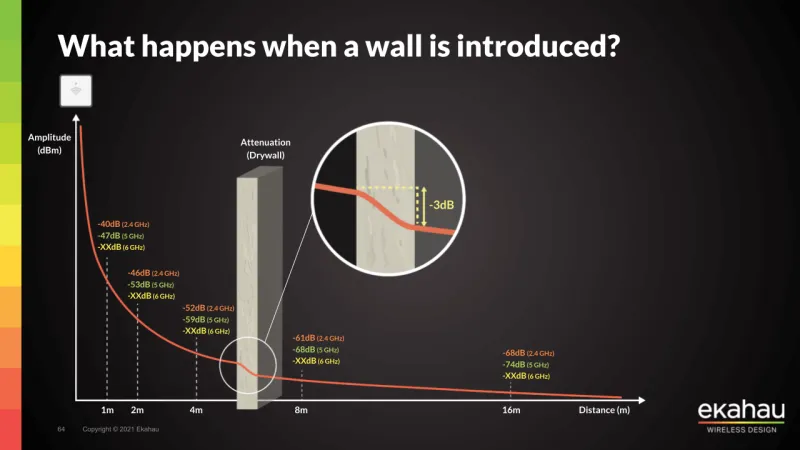
A suburban extended-stay property outside Phoenix put us in a room at the end of the corridor, one wall shy of the nearest access point. Direct hotel connection: 4 Mbps and flapping. The travel router, placed on the windowsill (closest to the hallway AP), snagged a marginally better signal and stabilized it enough for a 45-minute video call without a single disconnect. It didn't fix the bandwidth — nothing could — but it turned 'unusable' into 'tolerable,' which on a work trip is the difference between finding a coffee shop and not.
The Verdict: Pack It, But Know What It Is
A $60 travel router will not out-muscle a great hotel network. What it does is flatten the bad ones, simplify logins for every device you own, and put a wall between your laptop and everyone else in the building. Across our five nights, it meaningfully improved two stays, slightly improved two, and was neutral on one.
If you travel for work, take video calls from hotel rooms, or carry devices that hate captive portals, that's a winning record for something the size of a deck of cards. If you're a vacationer who streams one show on one phone before bed, save the luggage space — and maybe pick hotels with better reviews on the WiFi front instead.